❋
People reproduce the worlds they have learned to survive.
Our philosophy starts with an observation:
The ways we relate to ourselves, one another, and power are shaped by what we have experienced and what we have learned to survive.Those patterns do not disappear when we enter organizations, communities, or movements; they become part of the systems we build and reproduce.
The systems we seek to transform are continually reproduced through the conditioned ways we relate to ourselves, one another, and power.
❋ By systems, we mean...We blend guided moments, open exploration, and space to reflect—so the experience feels both focused and fluid.
❋ By transform, we mean...Connection is a core part of the process. You’ll learn just as much from the group as from the content itself.
❋ By conditioned, we mean...Led by experienced guides who know how to hold space, encourage participation, and keep things moving with purpose.
❋ By power, we mean...Our events prioritize comfort, safety, and respect—so you can show up as you are and fully engage in the process.
And if so…
Individual healing alone cannot transform institutions.
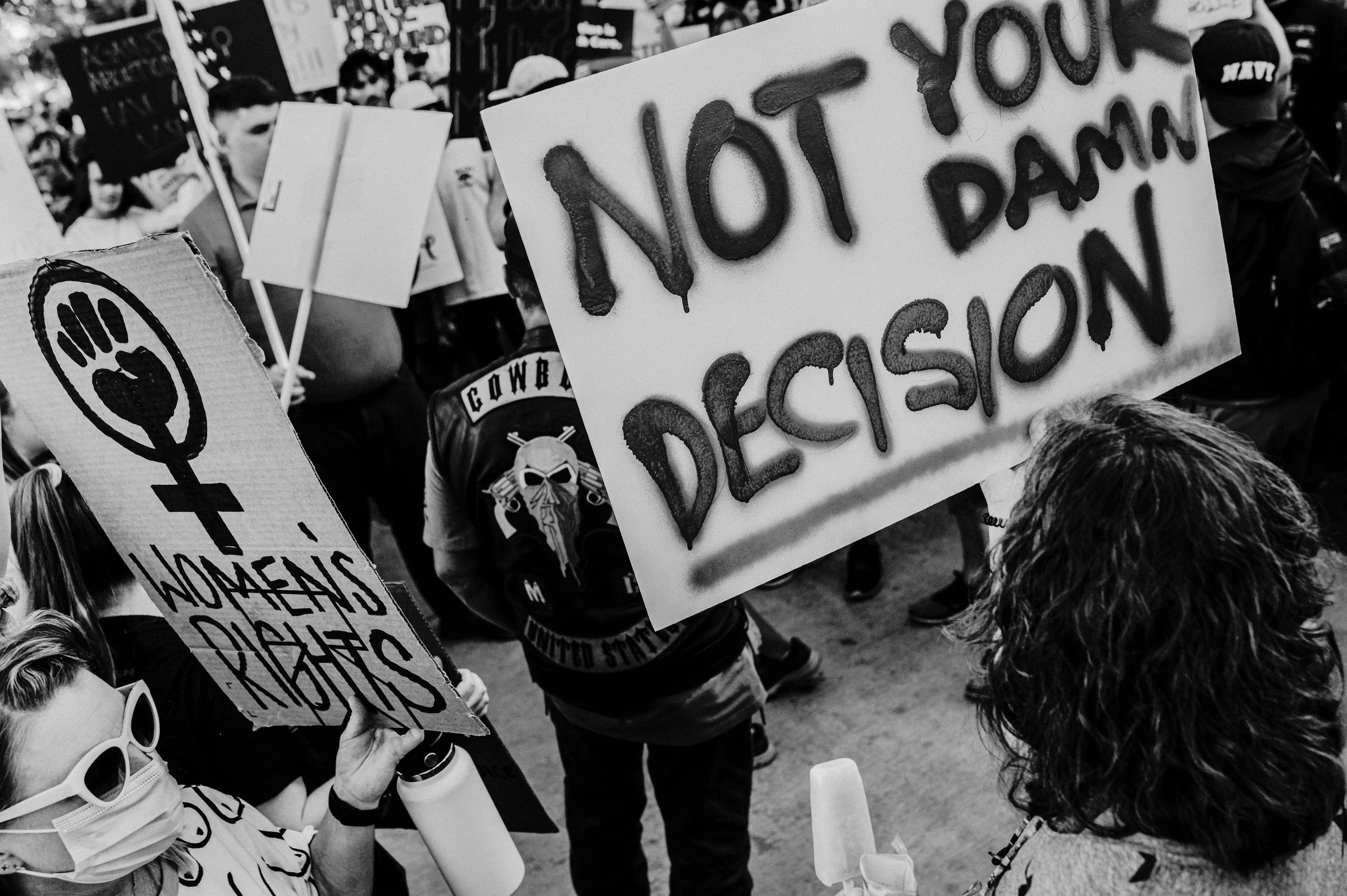
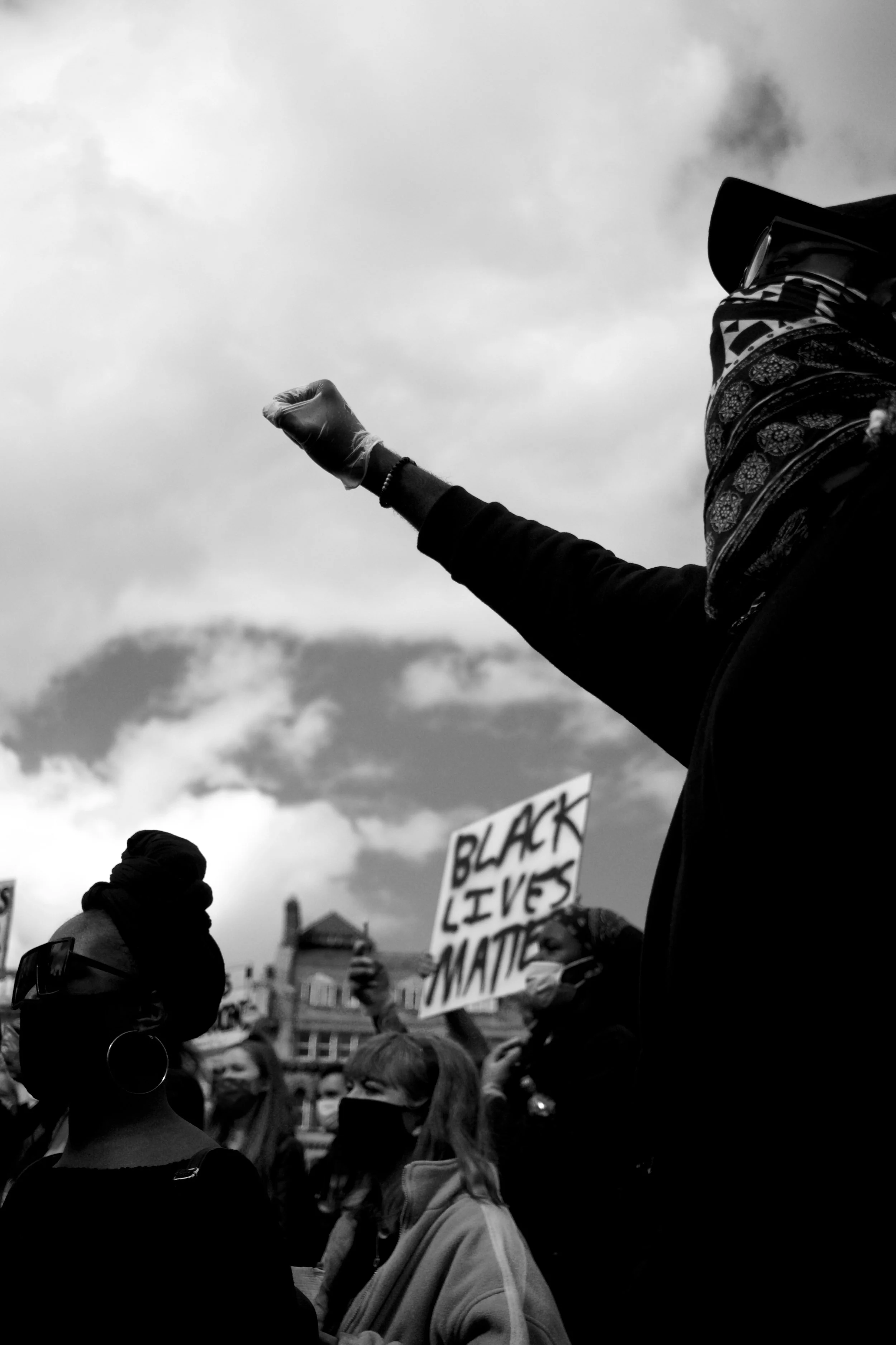
We reproduce what we have learned to survive in—and transformation asks us to practice something different.
❋
&
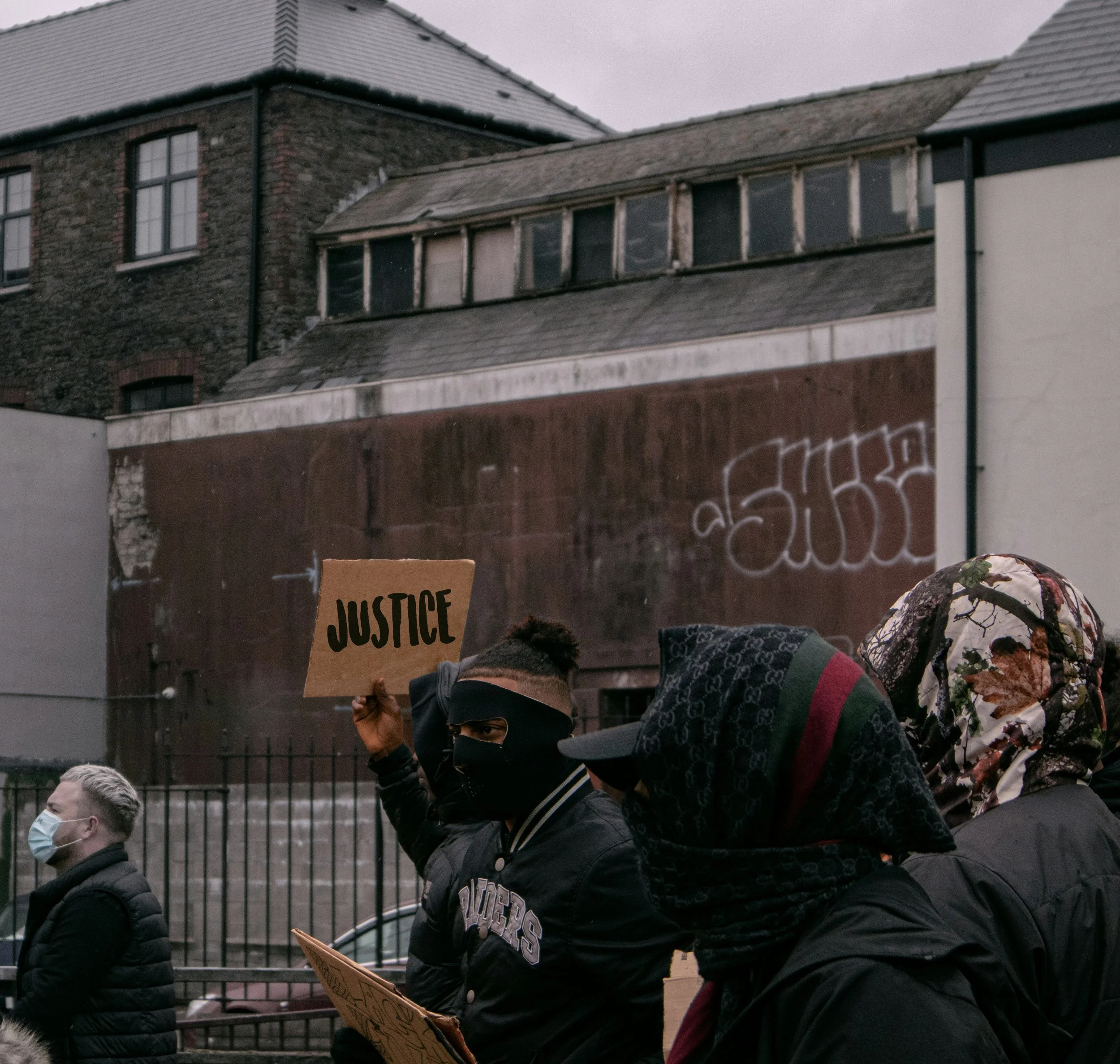
Institutional change alone cannot transform the people who inhabit them.
Before we talk practice, we first have to name where we’re starting from.
The 5 Assumptions that Drive this Project
1) Neither mental health work nor organizing alone can interrupt this cycle.
2) Power becomes most visible in conflict, control, and relationships. Values alone do not transform oppressive systems. Our practices of power must embody new ways of relating.
3) Transformation requires practice across simultaneous scales - the individual, relational, organizational, and collective.
4) New cultures, relationships, systems, and worlds cannot be built through intention alone. They must be practiced, repeated, and embodied over time.
5) New possibilities emerge at the edges of disciplines, traditions, and ways of knowing.
“There is nothing new under the sun,but there are new suns.”
- Octavia Butler
We draw from trauma-informed care, mental health practice, systems thinking, political economy, popular education, anti-oppressive theory, and grassroots organizing to develop practices that can meet complexity without reducing it.
What informs this work-
Browse our upcoming events to find the one that feels right for you. We host events year-round in all different locations and climates.
-
Sign up and pay all required fees to reserve your spot. If plans change, you can cancel up to 14 days before the retreat start to receive a 50% refund.
-
After booking, we'll send you a Welcome Packet with everything you need to know—detailed schedules, packing list recommendations, add-ons to consider, and more.
-
We'd recommend booking your transportation to and from the event as soon as possible, to ensure you can arrive without any complications or delays.
-
Now all that's left to do is pack your bags and get excited for your new adventure.
We accompany individuals, organizations, and collectives in bringing together mental health practices, organizational development, grassroots organizing, and education. The form that work takes depends on the people, relationships, and systems involved.
What Does This Look Like In Practice?
-
Supporting people as they navigate trauma, change, relationships, and the systems shaping their lives.
→ We do this through mental health support, consultation, and other individual/interpersonal support work.
-
Helping organizations examine how power, relationships, and structure shape the cultures they create.
→ We do this by providing organizational assessments, facilitation, organizational consultation, and leadership and team mentorship.
-
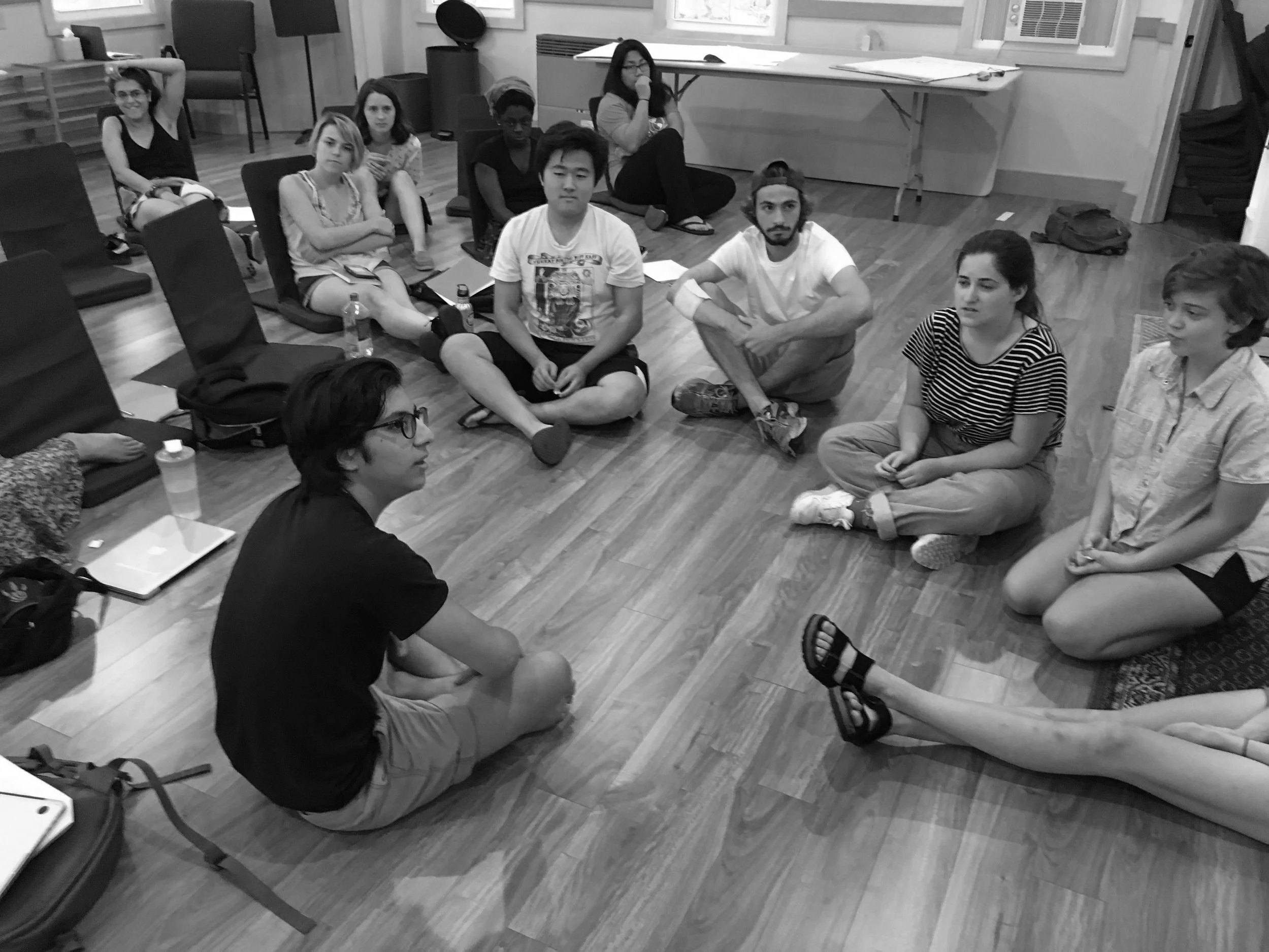
Creating spaces for collective reflection, political education, and the development of practices that make different ways of relating possible.
→ We do this by providing workshops, trainings, resources, and writings.